
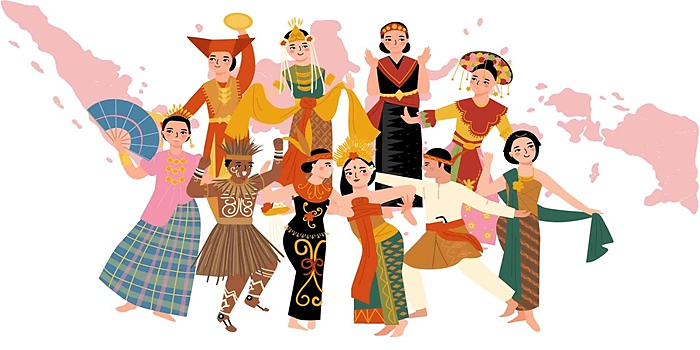
You’ll discover how Indonesian ethnic customs translate into everyday values, social ties, and moral lessons that still shape communities today. These traditions—from Javanese etiquette and Balinese ritual symbolism to regional rites across Sumatra and Papua—carry clear philosophical meanings about respect, community, and harmony that you can recognize and appreciate.
As you move through the article you’ll explore how specific ceremonies, symbols, and practices function within different groups, why they matter locally, and how communities adapt them in modern life. Expect concise examples of standout customs, comparisons across major ethnicities, and practical insights into their social importance.
Overview of Traditional Customs in Indonesian Ethnic Groups
Traditional customs in Indonesia shape daily life, ceremony, and identity through rituals, dress, kinship rules, and moral codes. You will see how customs define community roles, mark life-stage transitions, and connect people to land and ancestry.
Definition and Significance
Traditional customs are the practiced rules, ceremonies, and material expressions that guide social behavior within an ethnic group. They include rites of passage (birth, marriage, death), adat laws, customary land-use practices, and symbolic arts such as dance, song, and textile patterns.
You should note two practical functions. First, customs regulate relationships and resource use—who inherits land, how disputes get resolved, and expectations for family obligations. Second, customs transmit values and history through rites and material culture, keeping knowledge about ancestry, local ecology, and spiritual beliefs alive.
Important elements to watch for: customary leaders (adat elders or chiefs), ritual specialists (priests, shamans), and material markers (house styles, costumes, insignia). These elements anchor legal, social, and spiritual life and often coexist with state law and major religions.
Diversity Across Indonesia
Indonesia contains hundreds of ethnic groups, each with distinct customs shaped by ecology, history, and outside contacts. For example, Javanese courts emphasize hierarchy, refined etiquette, and wayang performance; Balinese society centers ritual calendars, caste-influenced temple rites, and intricate offering arts; eastern groups like the Toraja practice elaborate funeral rites tied to rice cultivation and ancestor veneration.
Customs differ in governance too. Some areas rely on communal land tenure and consensus-based adat councils. Others practice patrilineal or matrilineal inheritance—Minangkabau, for instance, follows matriliny, which affects property and household structure.
Practical indicators of diversity include: language used in ritual, dress codes for ceremonies, rules for marriage and divorce, and local taboos tied to seasons or livelihoods. You can read these markers to understand how a group relates to community welfare and the environment.
Evolution Over Time
Customs change as communities adapt to trade, religion, colonial administration, and modern law. You will find syncretism where Islamic, Hindu-Buddhist, Christian, or colonial influences blend with indigenous practices—such as Islamic prayers woven into Javanese court rituals or Catholic symbols present in eastern funeral rites.
Economic shifts and migration also transform customs. Urbanization moves rituals from village squares to urban halls; younger generations may modify dress codes and participation norms while retaining core symbols. State policies and legal pluralism further shape customs by recognizing some adat rights (land, self-governance) while subordinating others to national law.
Preservation efforts now combine community leadership, cultural documentation, and tourism. These efforts can stabilize practices but also commodify them, prompting debates about authenticity and community control you should consider when evaluating any custom.
Philosophical Meanings Behind Indigenous Customs
You will see how rituals encode moral lessons, how everyday practices reflect cosmologies, and how customs anchor communal identity across generations. These meanings appear in objects, gestures, words, and communal roles.
Symbolism in Rituals and Ceremonies
Ritual objects and gestures carry precise meanings you can learn to read. For example, offerings placed at a rice-planting ceremony often represent gratitude to ancestral spirits and a request for fertility; the items chosen — rice stalks, betel, or woven cloth — each signal a particular intention.
Spatial arrangements and procession order matter too. In Toraja funeral rites, the positioning of family members and the sequence of rites indicate social rank and the soul’s journey. You can interpret dance movements similarly: specific steps mimic hunting, sowing, or courtship, turning practical knowledge into shared memory.
Colors, motifs, and materials function as a visual language. Batik patterns or ulos cloth motifs encode origin stories and social roles. When you observe one of these ceremonies, notice recurring symbols and ask elders about their layered meanings.
Values and Worldviews Embedded in Traditions
Adat practices teach you community ethics through repeated action rather than abstract instruction. Reciprocity, for instance, appears in communal harvest rituals where sharing produce enforces mutual obligation and resource stewardship. You see hierarchy expressed respectfully in greeting rituals and seating arrangements, reinforcing social cohesion.
Many traditions reflect a relational view of the world: people, land, and spirits form a single moral community. In such systems you are expected to maintain balance — ritual cleansing or offerings restore equilibrium after illness or conflict. These practices also store ecological knowledge, as seasonal festivals align human activity with environmental cycles.
Through participation, you internalize norms: punctuality for rites, care for elders, or ritual speech forms. These repeated behaviors shape how you judge right action in daily life.
Role in Shaping Identity
Customs give you a visible and experiential sense of belonging. Ceremonial clothing, naming rituals, and clan songs distinguish one group from another and mark life stages you move through with communal recognition. Wearing specific motifs or performing particular rites signals membership and lineage.
Adat also mediates change; you negotiate modern pressures while keeping core symbols intact. When younger members adapt a wedding rite for an urban setting, you still read the same meanings in the vows and offerings. This continuity helps you claim historical depth and collective memory.
Finally, participation teaches you social roles. By learning ritual songs, handling ceremonial objects, or fulfilling a duty during a rite, you assume responsibilities that define your place within the group.
Best Examples of Indonesian Customary Practices
These customary practices show how communities mark life, death, lineage, and social order through ritual, law, and material culture. Each example highlights concrete steps, key symbols, and who participates.
Balinese Ngaben Cremation Ceremony
Ngaben is a Hindu-Balinese cremation ritual that frees the soul for reincarnation. You will see families prepare elaborate wadah (sarcophagi) shaped like bulls or mythical creatures, carry the coffin in procession, and launch it into fire at the cremation ground.
Priests recite mantras and perform purification rites before combustion. The ceremony often includes a temporary burial if the family pools resources for a mass cremation later; this practical detail affects timing and costs. Color-coded dress, offerings of flowers and rice, and gamelan music set the ritual tone. You should note local regulations and temple protocols if you attend; photography and participation norms vary by village.
Minangkabau Matrilineal System
Minangkabau society in West Sumatra traces descent, property, and clan membership through women. You will find rumah gadang (communal houses) owned by the matrilineal line and passed from mother to daughter, while men hold roles as religious leaders, traders, or clan representatives.
Inheritance practices allocate ancestral property to female heirs; men typically move into their wife’s household for certain responsibilities. Marriage rules emphasize clan exogamy and adat councils resolve disputes using customary law. If you study social dynamics here, focus on how matriliny interacts with Islam, balancing religious duties and adat obligations without erasing women’s property rights.
Toraja Funeral Rites
Toraja funeral rites in South Sulawesi treat death as an extended social event that may last months or years. You will witness staged processes: preparation of the body, ceremonial slaughter of buffalo and pigs, and the final burial in cliff tombs or tongkonan houses.
Families delay funerals until they can afford the rites, keeping the deceased at home and treating them as “sick” rather than “dead.” Key symbols include the tau tau effigies placed near graves and the number and quality of sacrificed animals, which indicate status. Attendance involves negotiated gift exchanges and precise ritual roles; outsiders must respect taboos about touching remains and follow host instructions.
Cultural Customs Across Major Indonesian Ethnicities
You will encounter distinct ritual forms, social rules, and worldviews that structure daily life and life-cycle events. Each group embeds layered meanings in ceremonies, architecture, and customary law.
Javanese Traditions and Philosophy
Javanese culture emphasizes harmony, restraint, and hierarchical respect. You will notice this in the concept of “rukun” (social harmony) and “unggah-ungguh” (etiquette), which guide interactions from family gatherings to courtship.
Rituals mark stages of life: the selamatan communal feast acknowledges births, marriages, and harvests with offerings, prayer, and shared food. You will see gamelan music and wayang kulit shadow puppetry used not only for entertainment but to transmit moral lessons and Javanese cosmology.
Spatial and architectural norms reflect social order. The joglo house layout, with a central sacred space beneath the high roof, signals status and spiritual focus. You should also note the philosophical blend of Islam, Hindu-Buddhist legacy, and indigenous animism that informs Javanese moderation and layered symbolism.
Sundanese Customary Beliefs
Sundanese life centers on agrarian rhythms, community consensus, and a close relationship to the natural world. You will find strong emphasis on courtesy (santun) and humility in daily speech and social roles.
Key customs include rites tied to planting and harvest, such as Seren Taun festivals, combining prayer, offerings, and communal music (angklung or kacapi suling). These events reinforce reciprocity between people and the rice spirit, reflecting animist substrata integrated with Islam.
Sundanese houses and village layouts favor openness and communal spaces, which support cooperative farming and decision-making through musyawarah (deliberation). You should also recognize distinctive dress and culinary markers, like kebaya Sunda and nasi liwet, used in ceremonies to express group identity.
Batak Ceremonial Practices
Batak societies—especially Toba, Karo, Simalungun, and Mandailing—place strong emphasis on kinship, lineage, and ritual reciprocity. You will see ceremonies structured around adat councils and the clan (marga) system that governs marriage, inheritance, and conflict resolution.
Funeral rites (mangokkal holi, paturi) can be elaborate, combining offerings, ritual speech, and music (sarune and gondang) to honor ancestors and restore social balance. You will also encounter the tugu (ancestral houses and stone markers) and ulos textiles, which carry symbolic meanings for status, blessing, and protection.
Christianity, Islam, and indigenous beliefs coexist here; rituals often integrate liturgical prayer with traditional ulos exchanges and sacrificial acts, so you should pay attention to how religious identity modifies but does not erase customary obligations.
Regional Variation in Traditional Customs
You will find specific ceremonies, material crafts, and belief-based practices that differ sharply by island group. Each area preserves rituals tied to life-cycle events, spiritual cosmology, and ecological relationships.
Sumatran Rituals
In Sumatra, you encounter rites shaped by Minangkabau, Batak, Acehnese, and other ethnic systems. For the Minangkabau, adat centers on matrilineal inheritance and the Rumah Gadang architecture; ceremonies like the wedding adat reinforce clan roles and property transmission.
The Batak maintain complex funeral rites—such as the Toba’s pangurason and the use of ulos textiles—that address ancestor relations and social status. These funerary practices include ritual feasting, animal sacrifice, and specialist performers to guide the soul.
Acehnese ritual life blends Islamic practices with local adat. You will see formalized communal prayers, adat arbitration for disputes, and ceremonies that mark planting and harvest tied to coastal and upland livelihoods.
Key elements across Sumatra: clan-based property rules, elaborate funeral protocols, and ritualized performances that sustain social order.
Kalimantan Dayak Traditions
Dayak communities in Kalimantan center many customs on forest cosmology and ancestor veneration. The Tiwah ceremony among Dayak Ngaju stands out: you will see exhumation, secondary burial, and longhouse gatherings intended to send the spirit to the afterlife.
Ceremonial items—carved wooden poles, beadwork, and intricate shields—express lineage identity and spiritual protection. Longhouses function as political and ritual hubs where adat leaders negotiate marriage, land use, and conflict.
You often encounter taboos (pantang) tied to resource use, such as restrictions on cutting particular trees or hunting seasons. These customary rules regulate your relationship to forest resources and reflect embedded ecological knowledge.
Important takeaways: collective rites for the dead, material symbolism in carvings and textiles, and customary resource rules that govern community life.
Eastern Indonesia’s Unique Customs
Eastern Indonesia—Maluku, Papua, Nusa Tenggara—presents high diversity in ritual forms tied to sea, mountain, and ancestral realms. In Papua, spirit houses, ancestor poles, and exchange networks frame status; initiation rites may involve body painting, tattooing, and specific dances.
In Maluku, maritime ceremonies honor fishermen and sea deities, with communal boat blessings and reciprocal gift exchanges. Ritual music and drumming mark seasonal cycles and conflict resolution.
Nusa Tenggara communities often perform fertility and harvest rites that blend indigenous belief with Catholic or Protestant elements. You will notice woven textiles and beadwork used as bridewealth and status markers.
Core features: ancestor-centered rituals, maritime and agricultural ceremonies, and material culture that codifies social relations.
Modern Adaptations and Relevance of Customs
Traditional customs remain visible in daily life through ceremonies, legal recognition, cultural tourism, and community governance. You will see customs adapted to work schedules, education, and local economies while communities balance continuity with change.
Integration Into Contemporary Life
You encounter adat in marriage rites, land dispute resolution, and village festivals that now align with school calendars and market days. For example, some Bali desa adat schedule temple ceremonies on weekends to allow younger members who work in cities to attend.
Families incorporate customary values into parenting and community service without strict ritual formality. Local leaders sometimes use adat principles for resource management and conflict mediation alongside formal courts, creating hybrid legal practices.
Tourism and local enterprises turn craft techniques and performance into income sources. You should note that economic integration often requires simplified offerings—ceremonial garments or dance performances tailored for visitors—while core meanings are selectively retained.
Challenges in Preserving Traditions
You face pressure from migration, formal education, and market-driven lifestyles that shorten ritual time and weaken intergenerational transmission. Young people working in urban areas may lose fluency in ritual language and specialist roles such as ritual leaders or weavers.
Legal and land-use changes can undermine customary territorial practices, especially where state regulation conflicts with communal land rights. External media and consumer culture also shift values, making some rites appear costly or irrelevant to younger households.
Financial constraints force communities to prioritize immediate needs over ceremonial upkeep. You should expect that without targeted support for skill transfer and economic incentives, some practices risk significant alteration or disappearance.
Revitalization Initiatives
You can find grassroots programs teaching traditional crafts, language classes, and apprenticeship systems that rebuild skills and social roles. NGOs and universities often document rituals and produce curricula so schools can incorporate local history and adat knowledge.
Some villages develop cultural tourism codes that require ethical presentation and reinvest revenue into ritual maintenance. Legal recognition of adat institutions in regional regulations also strengthens community authority over land and customary practice.
Technology assists preservation through digital archives, video tutorials, and virtual ceremonies that engage diaspora youth. You should look for initiatives combining economic benefits with clear rules to avoid commodifying sacred elements.
Influence of Customs on Social and Community Life
Customs shape how you mark major life moments and how everyday interactions keep communities stable. They give concrete rules for rites of passage and clear expectations for conflict resolution and mutual aid.
Customs in Life-Cycle Events
You encounter adat at every crucial life stage: birth, puberty, marriage, and death. For example, many Indonesian groups practice specific birth rituals to welcome a child and assign a social role; these rituals often include naming ceremonies, offerings, and the involvement of kin to establish lineage ties.
Marriage customs codify obligations between families and define property, inheritance, and dowry practices. In several communities, marriage ceremonies also serve as public contracts that bind extended networks rather than just two individuals. Funeral rites manage grief, affirm ancestry, and restore balance; they can involve communal labor, ritual specialists, and taboos that guide mourning periods.
These ceremonies transmit values across generations. When you participate, you learn roles, obligations, and the community’s moral logic through concrete actions rather than abstract instruction.
Customs Governing Social Harmony
Customary rules regulate everyday behavior to prevent and resolve conflicts. You see this in systems of mediation led by elders or adat councils that apply agreed-upon fines, restitution, or reconciliation rituals instead of formal courts.
Reciprocity norms—gift exchanges, communal work (gotong royong), and mutual aid—create predictable obligations between households. These practices reduce social friction by making support an expected part of life. Social sanctions, such as public apology ceremonies or temporary exclusion, enforce norms without escalating disputes.
Gender roles, leadership succession, and resource-sharing rules embedded in adat shape power distribution. When you follow these rules, you help maintain social cohesion and predictable governance at the village level.
Conclusion
You now see how Indonesia’s diverse adat reflects life stages, social bonds, and spiritual beliefs across many islands. Each tradition carries philosophy that shapes community identity and daily behavior.
Respecting these customs helps preserve local wisdom. You can support that by learning, attending ceremonies with permission, and promoting ethical cultural tourism.
Some adat emphasize balance with nature; others stress mutual aid and respect for elders. These recurring values offer practical guidance for modern challenges.
Use this cultural knowledge to deepen your understanding of Indonesia, not to stereotype. Engage with communities thoughtfully and prioritize their voices when sharing or adapting traditions.