
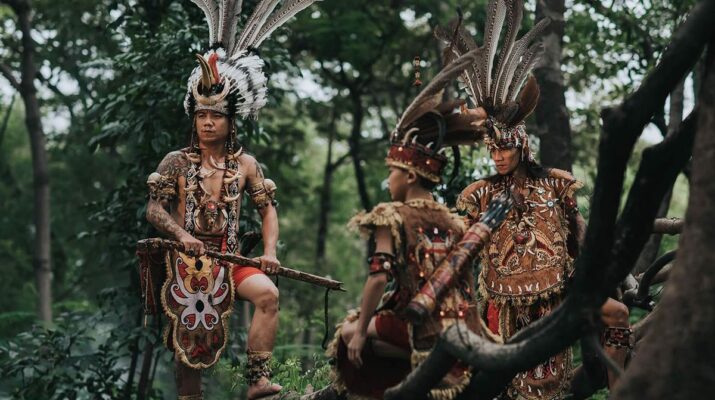
You step into a living mosaic where centuries-old customs still shape daily life across islands, villages, and cities. You will discover which adat traditions remain strongest today, why they endure, and what they reveal about identity, community, and balance with nature.
This article guides you through how adat varies regionally, highlights communities that keep rituals and craftsmanship alive, and shows how those practices influence modern Indonesian society and conservation efforts. Expect clear examples of ceremonies, enduring customs, and active preservation work that connect past and present.
Overview of Adat Suku in Indonesia
You will learn what adat means for communities, how these customs evolved over time, and how traditions vary between islands and regions.
Definition and Significance of Adat Suku
Adat refers to the customary rules, rituals, social structures, and moral norms that govern daily life within an ethnic community.
You will see adat expressed in marriage rites, land use rules, dispute resolution, and ritual calendars that regulate planting, harvesting, and life-cycle events.
Adat carries legal and identity functions. It defines membership, inheritance, and leadership roles, and it often coexists with national law and religions such as Islam, Christianity, Hinduism, and local beliefs.
For communities, adat safeguards local knowledge—language, songs, weaving patterns, and oral histories—that anchors social cohesion and intergenerational continuity.
Key aspects to notice:
- Institutional: customary leaders (adat elders, kepala adat) and councils.
- Ritual: ceremonies for birth, marriage, death, and harvest.
- Resource management: communal rules for forests, fisheries, and rice fields.
Historical Development of Adat Traditions
Adat traditions formed through centuries of local adaptation to environment, trade, and external influence.
You should understand that pre-colonial kingdoms, local migration, and inter-island trade shaped many customary practices.
Colonial administrations and missionary activity altered some adat by imposing new legal systems and religions. Yet adat showed resilience by adapting: some rituals incorporated introduced elements while maintaining core community roles.
Post-independence Indonesia recognized adat in varying degrees; local customary institutions regained importance in resource conflicts and cultural revival movements since the late 20th century.
Important historical drivers:
- Indigenous settlement patterns and ecological conditions.
- Trade and cultural exchange (Malay, Hindu-Buddhist, Islamic, European).
- Legal encounters with colonial and national state law that led to syncretism and selective preservation.
Cultural Diversity Across Regions
You will find striking regional differences: Java emphasizes hierarchical village institutions and rites tied to rice agriculture, while eastern Indonesia often centers kinship systems, dyed textiles, and ancestor veneration.
Sumatra features strong adat among Acehnese and Minangkabau—each with distinct inheritance and leadership rules; Minangkabau practices matrilineal descent, for example.
Kalimantan and Sulawesi show adat closely linked to forest and river management and day-to-day subsistence; many Dayak and Toraja customs regulate land use and communal labor.
In eastern archipelagos such as Maluku and Papua, adat often centers on clan territories, sacred houses, and seafaring rituals.
Variations reflect ecology, historical contact, and social organization; you can trace specific practices to local livelihoods like fishing, wet-rice cultivation, or sago processing.
Characteristics of the Best-Preserved Traditions
You will find these traditions hold clear social rules, visible material culture, and ritual practices tied to local environments and leadership. These elements reinforce identity, regulate behavior, and make continuity practical across generations.
Core Elements of Adat Suku
Core elements center on lineage, land tenure, and communal obligations. You will see kinship systems—patrilineal, matrilineal, or bilateral—determine inheritance, marriage rules, and leadership succession.
Land rights often tie to communal use and sacred sites; villages maintain mapped boundary markers and ritual site care that prevent disputes.
Communal obligations manifest as mutual labor (gotong royong), shared harvest duties, and ritual contributions; these practices create routine gatherings that transmit knowledge and oral history.
Local languages, proverbs, and songs encode customary law and historical memory, so everyday speech sustains continuity.
Elders and customary councils act as repositories of practice; their authority legitimizes adaptations while guarding core principles.
Traditional Laws and Norms
Customary law (adat law) functions alongside state law but often governs family, land, and ritual conflicts you encounter locally.
Norms are explicit: marriage exchanges, dispute settlement procedures, and ceremonial roles follow prescribed steps and sanctions.
You will find written codifications in some communities; others rely on oral precedents and public adjudication by councils of elders.
Enforcement blends social sanction—shame, fines, temporary exclusion—and restorative measures like compensation ceremonies.
Adaptation occurs through negotiated change: communities incorporate state requirements or new economic realities while preserving essential procedures that maintain social cohesion.
Cultural Symbols and Objects
Material culture communicates authority and identity in ways you can see and touch.
Important objects include heirloom textiles (ulos, songket), sacred kris or spears, carved house posts, and ritual masks; each carries origin stories and lineage markers.
You will notice objects receive care rituals—periodic offerings, repair ceremonies, and restricted use by those with prescribed roles.
Symbols extend to architecture: stilt houses, longhouses, and spatial layouts encode cosmology and social order.
Displaying, preserving, and teaching the meanings of these items—through apprenticeships, ritual training, and museum collaborations—helps you recognize why the tradition persists.
Suku with Remarkable Enduring Traditions
You will read about groups that keep long-standing rituals, social structures, and daily practices alive. Each community preserves distinct elements—funeral rites, land tenure, kinship, and lifestyle choices—that shape identity and daily life.
Toraja: Rich Rituals and Customs
You encounter Toraja funerary arts and ceremonies that structure social life in South Sulawesi. Families prepare elaborate funeral rites called Rambu Solo’ that can last days and involve buffalo and water buffalo sacrifices, intricate woodcarvings, and ancestor houses (tongkonan).
These rites serve as social gatherings, redistribute wealth, and reaffirm kinship ties. You will notice villages where the deceased remain in the family home until funds and ritual timing align.
Architecture and visual symbolism matter: tongkonan roofs, carved motifs, and tau-tau effigies signal lineage status. Rice cultivation, buffalo herding, and craft-making continue alongside ritual specialists who coordinate ceremonies and maintain oral histories.
Dayak: Harmony with Nature
You will see Dayak communities across Borneo maintain ritual relationships with forests, rivers, and crops. Traditional longhouses (rumah panjang) house multiple families under leaders who manage communal land and irrigation systems.
You can observe rites like harvest thanksgiving, head-hunting memories transformed into ceremonial displays, and offerings to maintain balance with spirits (mala’/adat guardians). These practices integrate animist beliefs with practical resource management.
Dayak crafts—woven textiles, beadwork, and carved blowpipes—carry symbolic motifs tied to ancestry and territory. Many Dayak groups practice rotating swidden agriculture combined with communal forest rules that limit overexploitation and protect biodiversity.
Minangkabau: The Matrilineal System
You will find Minangkabau society in West Sumatra organized around matrilineal descent, where property, family names, and rumah gadang (communal houses) pass through female lines. Women hold central roles in inheritance and household continuity, while men typically occupy political or religious leadership positions.
Marriage often keeps husbands connected to their natal matrilineal clan through specific residence patterns and obligations. Adat (customary law) codifies these arrangements and governs land tenure, conflict resolution, and ceremonial life.
Minangkabau architecture and ceremonial cuisine reflect clan identity. You can witness how adat councils adjudicate disputes, manage communal land, and coordinate life-cycle rituals that bind extended matrilineal families.
Baduy: Preserving Ancestral Ways
You will meet the Baduy in Banten who intentionally limit outside influence to preserve ancestral norms. The Baduy divide into Inner (Baduy Dalam) and Outer (Baduy Luar) communities with stricter prohibitions on technology, clothing, and economic exchange among the Inner group.
Daily life emphasizes subsistence rice farming, simple woven garments, and adherence to prohibitions (pikukuh) such as avoiding electricity or modern roads within the Inner zone. Visitors must follow strict protocols when entering Baduy areas.
Their adat regulates land use, marriage, and communal labor, maintaining social cohesion and ecological stewardship. Ritual cycles tied to planting and harvest guide communal action and ensure continuity of ancestral practice.
Ceremonies and Rituals Still Practiced Today
You will find rites tied to life milestones, faith, and seasonal work that communities still perform with care and clear purpose. These rituals keep social bonds, spiritual duties, and local economies visible and meaningful.
Traditional Weddings
You can witness very structured adat weddings that blend customary law, family negotiation, and symbolic rites. In Minangkabau ceremonies, for example, brides wear elaborate songket and follow matrilineal traditions where property passes through the female line; the groom’s family performs a formal visit and pays a symbolic dowry.
In Bali, a wedding often includes Hindu rituals such as mecaru (purification) and offerings to ancestors, plus specific temple ceremonies that require priest guidance. Ceremonies may last multiple days, so plan for staged events: procession, ritual exchanges, and communal feasting.
Expect clear roles for kinship groups, strict timing for sacred acts, and visible material culture—textiles, gamelan music, ritual food—that communicate status and obligations. You should respect dress codes and photographer restrictions at sacred moments.
Religious Festivals
You will encounter festivals grounded in Islam, Hinduism, Christianity, and indigenous beliefs that combine prayer, procession, and local customs. In Java, Sekaten celebrates the Prophet’s birthday with gamelan concerts and market stalls; the event fuses royal patronage with popular devotion. In Bali, Galungan and Kuningan mark the victory of dharma with penjor bamboo poles, temple offerings, and ancestral ceremonies.
Many festivals require offerings, gender- or age-specific roles, and temple attendance at set times. Some events, like Toraja’s elaborate funerals that may include buffalo sacrifices and communal feasts, bridge religious ritual with social obligation. You should learn local etiquette: when to stand, when silence is required, and how to present offerings.
Harvest Celebrations
You will see harvest rituals that express gratitude, ensure future fertility, and regulate communal labor. Seren Taun in West Java honors rice harvests with seed ceremonies, ritual rice offerings, and the handing over of heirloom seeds to village elders. The Dayak may perform pupun or other rites involving ritual dances and offerings to forest spirits after a successful harvest.
These celebrations often combine practical tasks—blessing seed stock, distributing sharecropping portions—with symbolic acts like threshing in procession or placing the first sheaf on a communal altar. You should note dates tied to lunar or agricultural calendars and expect public markets, traditional music, and food-sharing as central features.
Influence of Adat Suku on Modern Indonesian Society
Adat practices shape daily life, local governance, education, and public ceremonies across Indonesia. They appear in legal pluralism, festivals, school curricula, community leadership, and tourism—often blending with national policies and economic activities.
Integration with National Culture
You will see adat expressed in national celebrations and regional public holidays, such as traditional dances in Independence Day parades and provincial festivals promoted by local governments. Educational curricula in many provinces incorporate local oral histories, languages, and craft techniques so students learn both Bahasa Indonesia and regional identity.
Tourism agencies and cultural ministries often market adat elements—ceremonial textiles, house architecture, and ritual performances—to attract visitors and generate income for villages. This creates incentives to standardize and stage traditions, sometimes altering original forms.
Legal systems also reflect integration: customary courts (pengadilan adat) handle land and family disputes in several regions, operating alongside state courts. You encounter a negotiated balance where national law recognizes certain adat rights while maintaining uniform civil statutes.
Challenges in Cultural Preservation
You confront rapid urbanization and youth migration that weaken intergenerational transmission of adat knowledge. Young people moving to cities may adopt metropolitan lifestyles and lose fluency in local languages, reducing participation in rites and craft workshops.
Commercialization pressures distort practices; staged performances for tourists can omit sacred elements or compress rites into shorter, spectator-friendly formats. This risks transforming living traditions into commodities.
Environmental change and resource access also threaten material culture—timber for house-building, dye plants for textiles, and sacred sites under development pressure. Preservation efforts must address economic alternatives, legal protection for communal lands, and educational programs that make adat relevant to younger generations.
Community Roles and Leadership
You will find adat leaders (datu, tetua adat, kepala adat) acting as custodians of customary law, mediators in disputes, and coordinators of rituals. Their authority often derives from lineage, specialized knowledge, and community consensus rather than formal state appointment.
These leaders collaborate with village councils and local governments on land management, conflict resolution, and development projects. In many areas, they issue customary permits for resource use and represent the community in negotiations with companies or government agencies.
Women and youth increasingly take formal roles in adat institutions in some regions, though representation varies. Strengthening inclusive leadership helps communities adapt traditions while retaining legitimacy and social cohesion.
Efforts to Preserve and Promote Heritage
You will find a mix of government programs, community-led teaching, and tourism-driven support actively keeping traditional practices alive. These efforts target funding, education, and sustainable visitor engagement to maintain cultural continuity.
Government and Local Initiatives
National and regional governments fund cultural projects and institutions, such as the Indonesian Heritage Agency (IHA) established in 2023, to document and protect tangible and intangible heritage. You can expect grants for restoration of traditional houses, legal recognition of kampung adat, and support for artisan cooperatives that keep crafts like batik and weaving economically viable.
Local governments often run festivals, register sacred sites, and provide microgrants to community groups. These programs prioritize collaborations with adat leaders to ensure interventions respect local rules and maintain authenticity. Monitoring and reporting frameworks now track heritage status, helping you see which traditions receive continuing support.
Education and Transmission of Traditions
You can access programs that integrate local languages, songs, and crafts into school curricula and extracurricular activities. Community elders frequently partner with schools and cultural centers to teach oral histories, ritual procedures, and craftsmanship through hands-on workshops and apprenticeship models.
Non-formal education—language nests, weekend classes, and digital archives—helps younger generations practice traditions at scale. Documentation projects record ceremonies and techniques so you can study and revive practices even when practitioners age. Training materials and certification for artisans also help convert traditional skills into viable livelihoods.
Role of Tourism in Cultural Sustainability
Responsible tourism channels visitor spending toward artisans, performance groups, and heritage site upkeep. When you visit kampung adat or attend ritual festivals, entrance fees and purchases can fund cultural programs and provide steady income for communities.
You should watch for community-managed tourism initiatives that set limits on visitor numbers, enforce respectful behavior, and return profits to preservation funds. Certification schemes and partnerships with tour operators help ensure tourism does not commodify sacred aspects; instead, it supports cultural transmission and conservation.
Conclusion
You witness a living archive of Indonesia’s identity in the continued practice of adat across islands and communities. These traditions connect everyday life, ceremonies, and local knowledge to centuries of shared experience.
You can see that preservation depends on active choices: community transmission, education, and respectful tourism. Practical measures—documenting rituals, supporting local artisans, and protecting customary lands—help sustain cultural practices.
You should recognize that diversity and unity coexist; each suku contributes distinct expressions while forming a national cultural mosaic. Respectful engagement allows traditions to adapt without losing core meanings.
You have a role in keeping these customs vibrant—support local initiatives, learn from community leaders, and prioritize ethical cultural exchange. Small actions by many people make long-term preservation possible.