
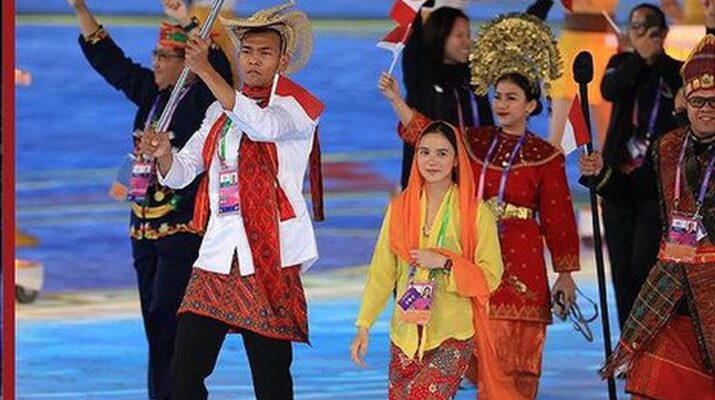
You explore a nation where each custom, language, and ritual ties communities to centuries of meaning and shapes national identity. Expect clear examples from Aceh’s strong Islamic traditions to the Minangkabau matrilineal system, Javanese court rituals, Balinese temple ceremonies, Toraja funeral rites, Dayak and Sasak practices, and Papua’s cultural expressions to show how adat still guides daily life and modern governance.
These living traditions form Indonesia’s identity by embedding values, social structures, and ceremonies into everyday life and national culture.
You will follow how adat influences contemporary society, how communities preserve heritage, and why global recognition matters for these cultural treasures.
Indigenous Traditions as the Identity of Indonesia
You will see how adat shapes daily life, governance, ceremonies, language, and food across islands. These practices bind communities and inform national symbols, laws, and cultural expressions.
Definition and Significance of Adat
Adat refers to customary rules, rituals, and social norms passed down within a community. It covers marriage procedures, land tenure, dispute resolution, and ritual obligations that structure daily life.
You rely on adat to understand local authority and social roles. In many villages, adat councils (pengurus adat) handle inheritance and land use, often operating alongside formal government institutions.
Adat also encodes moral values—respect for elders, communal responsibility, and reciprocal hospitality—which guide behavior more effectively than written law in some regions.
Cultural Diversity Across Ethnic Groups
Indonesia contains over 600 ethnic groups with distinct adat systems shaped by environment, religion, and history. For example, Minangkabau adat emphasizes matrilineal inheritance; Toraja rituals focus on elaborate funerary rites; Dayak adat governs communal forest management.
You will notice differences in language, dress, culinary customs, and performance arts tied to adat. These variations create localized calendars of ceremonies and unique legal customs regarding land and marriage.
Practical consequences matter: adat can determine resource access, conflict resolution paths, and who holds ritual authority within a community.
Adat as a Symbol of National Unity
Adat contributes to a shared national identity by highlighting cultural pluralism while reinforcing common values. The state recognizes selected adat elements in cultural heritage programs, national festivals, and school curricula.
You can see adat reflected in national symbols, regional autonomy policies, and legal pluralism where customary law coexists with state law.
When communities celebrate their adat publicly—through dance, textiles, or culinary festivals—they project local identity into the national arena, strengthening social cohesion without erasing difference.
Traditional Customs of the Acehnese
Acehnese customs center on communal obligations, Islamic values, and visible cultural symbols that mark life stages and public roles. You will find a strong emphasis on family ties, ritual hospitality, and distinctive dress and weapons that signal identity and status.
Philosophy and Social Structure
You will notice Acehnese social life revolves around the gampong (village) and extended kin networks. Decisions often run through uleebalang (traditional leaders) and religious figures, with consensus and communal welfare prioritized over individual preference.
Islam deeply shapes moral codes and daily routine; religious education and mosque activities structure social time and rites of passage.
Kinship lines and marriage rules guide inheritance and residence patterns. Patrilineal ties are common, but local adat (customary law) interacts with state law and Sharia in dispute resolution.
You should expect respect for elders, reciprocal obligations in labor and celebration, and formal hospitality toward guests as core behaviors.
Ceremonial Practices
You will see ceremonies tied to birth, marriage, and death that blend Islamic ritual with local adat. Meugang, a communal feast before major Islamic holidays or important events, illustrates collective sharing: villagers prepare and share food, often involving large grilled meats.
Marriage rituals include formal negotiations, customary payments, and public blessings at the mosque; the ceremony underscores family alliances and social standing.
Funeral rites combine quick burial practices required by Islam with communal support for bereaved families. Rituals may include collective prayers, recitations, and extended periods of communal assistance.
Public ceremonies—such as the royal-influenced rites preserved from the Aceh Sultanate era—may feature traditional music, poetry, and displays of rencong (a symbolic dagger) to mark authority and heritage.
Traditional Clothing
You will recognize Acehnese dress by modest cuts, rich embroidery, and symbolic accessories used in formal settings. Men commonly wear baju koko or tailored tunics with sarong or trousers; formal attire can include songket-like woven cloth and the rencong worn at the waist as a cultural emblem.
Women wear long-sleeved kebaya or tunics paired with long skirts and a headscarf; bridal garments often use heavy embroidery, gold thread, and patterned textiles that signal family prestige.
Colors and patterns carry meaning: darker, dignified tones appear in male ceremonial wear while brides wear brighter, ornate fabrics. You will also find specific headgear—such as songkok for men and decorated veils for women—used to indicate occasion and rank.
Minangkabau Customs and Matrilineal Heritage
You will learn how descent and property pass through women, how weddings blend adat and Islam with distinctive rituals, and how Rumah Gadang architecture expresses lineage and social function.
The Minangkabau Matrilineal System
In Minangkabau society, lineage and inheritance follow your mother’s line. Land, clan membership, and the chief household (rumah pusako) transfer to daughters or the nearest female relative, ensuring continuity of the matrilineal house.
Men still hold political and religious leadership roles, but your clan identity comes from your mother’s clan (suku). Residence after marriage commonly remains in the wife’s rumah gadang or within her nagari, reinforcing female-centric household continuity.
The system organizes social duties: women manage domestic property and kin networks, while men take on external roles like village governance or religious instruction. You’ll see balance rather than absolute dominance—both genders have defined, complementary responsibilities.
Unique Wedding Traditions
Minangkabau weddings combine adat rituals with Islamic rites, producing ceremonies with clear symbolic acts. You can expect a sequence that includes nuptial negotiations, adat blessings, and a celebration where the bride’s family formally accepts the groom.
Key moments include the penghulu (adat leader) overseeing customary vows, the presentation of traditional gifts (such as songket and talam offerings), and ritualized speeches that reaffirm clan ties. Food and music—especially talempong percussion—play central roles in marking communal participation.
Marriage does not transfer clan membership to the husband; instead, the groom becomes part of the wife’s household network. This affects post-marital residence, inheritance expectations, and the public roles each spouse will assume.
Traditional Architectural Styles
The Rumah Gadang stands as the physical expression of Minangkabau matriliny. Its sweeping, horn-shaped roofs symbolize buffalo horns and visually mark clan houses where multiple generations of women hold title to the ancestral property.
Interior layout supports communal living: a long central hall for ceremonies, private sleeping chambers along the sides, and elevated floors to protect goods and denote status. Carved wooden panels and red-black-gold color schemes encode clan symbols and adat values you can read in the ornamentation.
Construction and ownership follow adat rules: your clan commissions and maintains the rumah, and decisions about repairs or division of space involve matrilineal elders. The architecture thus reinforces social structure and transmits identity across generations.
Javanese Heritage and Ritual Practices
You will encounter a culture that structures social life through layered etiquette, sacred royal institutions, and expressive performance arts. Expect specific values that guide behavior, palace-based rituals that mark life stages, and music-dance forms that carry philosophical meaning.
Core Values in Javanese Adat
You must understand three central values: harmony (rukun), respect for hierarchy (unggah-ungguh), and inner refinement (alus). Harmony prioritizes social cohesion; you will see it in conflict avoidance and consensus decision-making at family and village levels.
Unggah-ungguh shapes everyday interactions. You address elders and superiors with formal language and gesture, and seating or gift-giving follows rank. This preserves order in communal ceremonies and state events.
Inner refinement, or alus, guides self-control and subtlety. You will notice restrained speech, measured movement, and emphasis on inner virtue over outward display. Moral education transmits these ideals through rites of passage, family instruction, and performance narratives.
Royal Palaces and Ceremonies
You will find Jogja and Surakarta palaces (kraton) as living centers of Javanese ritual authority. Each kraton maintains lineages, court etiquette, and calendar rituals tied to agriculture and Islamic observances.
Key ceremonies include the Sekaten festival marking the Prophet’s birthday and the Grebeg processions where palace offerings move through the city. You can observe syncretic elements—Hindu-Buddhist cosmology blended with Islamic prayers—structured into palace protocol.
Palace crafts and roles persist: court gamelan ensembles, royal batik patterns, and titled retainers perform defined duties. When you attend a kraton event, expect strict dress codes, choreography of procession ranks, and symbolic objects—keris, royal umbrellas, and offerings—that communicate legitimacy and continuity.
Traditional Art and Music
You will experience wayang kulit, gamelan, and classical dance as interconnected expressive forms that carry moral and cosmological teachings. Wayang kulit leather-shadow puppetry narrates Mahabharata and Ramayana episodes adapted to Javanese contexts; the dalang (puppeteer) interprets, educates, and advises society.
Gamelan ensembles provide the sonic backbone for theater, dance, and rituals. Instruments—metallophones, gongs, kendhang drums—follow colotomic cycles; you can feel time organized around punctuating gongs rather than Western meter.
Classical dances like Bedhaya and Serimpi emphasize controlled, refined movement tied to court aesthetics. When you watch these performances, notice integration of symbolic gestures, court costume, and synchronized gamelan patterns that encode values of balance, hierarchy, and spiritual focus.
Balinese Hindu Customs
You will find a strong ritual life centered on daily offerings, temple ceremonies, and lifecycle rites. Visual culture—textiles, dance, and temple architecture—reinforces religious meaning in public and private spaces.
Religious Festivals and Offerings
You encounter offerings (banten) every day: small palm-leaf baskets filled with rice, flowers, incense, and occasionally money. Families place them at home shrines, thresholds, and temple courtyards to maintain balance with spirits and deities.
Major festivals mark the temple calendar and village life. Galungan and Kuningan celebrate the victory of dharma with ten-day rituals, towering penjor bamboo poles, communal feasts, and processions. Nyepi, the Day of Silence, requires you to stay indoors while the island observes fasting, meditation, and a complete pause of activity.
Temple anniversaries (odalan) recur on each pura’s 210-day cycle; you will see gamelan music, trance dances, and multi-tiered offerings during these events. Ritual specialists—pemangku and priests—coordinate ceremonies, while community banjar groups manage logistics and food preparation.
Traditional Dress and Dances
When you attend ceremonies, men typically wear udeng (headcloth), kamen (sarong), and saput krama (waistcloth). Women wear kebaya blouses and patterned kamen wrapped with a selendang (sash). Colors and motifs indicate occasion and temple status.
Dance functions as ritual expression and storytelling. Legong and Gambuh show refined court-style movements and complex costumes with ornate headdresses. Barong and Rangda represent protective and destructive spirits; you will see masked performers enact moral battles during night ceremonies.
Gamelan ensembles accompany most dances and provide strict rhythmic cues that dancers and priests follow. Costume details—gold thread, sequins, and layered fabrics—signal social roles and the ceremonial importance of each performance.
Toraja Unique Funerary Rituals
You will find funeral rites that mix ancestral belief, elaborate material display, and communal obligation. These practices define social status, ensure the deceased’s passage according to Aluk Todolo, and shape family responsibilities for generations.
Traditional Burial Practices
Toraja funerals center on Rambu Solo, a ritual that can occur days, months, or years after death depending on family readiness and resources. You may see the body kept at home, treated as a person who is merely ill until the family schedules the funeral.
Families raise funds and await favorable timing; the event’s size reflects social standing and reciprocity obligations to kin.
Burial methods vary: cliffside graves, rock-cut tombs, and effigies called tau-tau that stand as guardians of the tomb. You should note that cliff burials and carved caves often include carved wooden effigies placed at the entrance to represent the deceased.
Sacrifices—especially water buffalo and pigs—play a key role. The number of sacrificed animals directly affects the ritual’s prestige and the community’s participation in feasting and ceremonial duties.
Tongkonan Houses
Tongkonan serve as more than dwellings; they function as familial memory storage and ritual centers. You will see tongkonan with distinct boat-shaped roofs, ornate carvings, and buffalo horn displays that signal lineage achievements and status.
These houses host liturgical elements of the funeral, meal preparation, and the gathering space for guests and visiting kin. They also store heirlooms and genealogical markers you can read in the carved motifs.
Ownership and maintenance of a tongkonan tie you to clan obligations. During funerals, the house becomes the operational hub: you will find altars, ritual objects, and seating arranged to receive guests and visiting tau-tau processions.
The tongkonan’s visual markers—paint, carving, and horn count—communicate family rank to outsiders and guide the sequence of ceremonial roles during the rites.
Ceremonial Dances
Dance and music organize movement, mark transitions, and express communal emotion during Toraja funerals. You will witness coordinated performances such as paddle dances and processional movements that accompany buffalo sacrifices and coffin transport.
Musical ensembles use gongs, drums, and bamboo instruments to set rhythmic patterns. These rhythms cue choreography for pallbearers, dancers, and ritual specialists.
Different dances signal specific moments: invitation of spirits, mourning, or rejoicing. You may notice masked performers or staged tableaux that re-enact ancestral narratives.
Participation is often prescribed by kinship role; you can identify family members, ritual leaders, and hired performers by position, costume, and the tasks they perform within each sequence.
Sasak Cultural Practices in Lombok
You will find marriage rituals that blend Islamic faith and indigenous customs, and vibrant arts that include music, dance, and handicrafts tied to community life. These practices connect daily life, ceremonies, and local identity.
Traditional Marriage Customs
You will encounter a marriage process that balances Islamic rules with Sasak adat (customary law). Weddings often involve a proposal (merarik) where the groom’s family formally asks the bride’s family for her hand. Families negotiate a mahar (dowry) and adat obligations; payments or gifts may vary by village and social status.
Ceremony elements combine prayer and ritual. Couples usually perform Islamic rites, while adat rites include blessings from elders, symbolic offerings, and communal feasting. Community participation matters: neighbors help prepare food and decorate, and dances or gendang beleq drumming may accompany celebrations.
Gender roles and dress are specific. Brides wear songket or woven textiles with intricate motifs; grooms wear traditional tunics and headgear. You should note regional variation—some Sasak groups emphasize stricter Islamic observance, others retain more pre-Islamic ritual elements.
Local Arts and Crafts
You will see distinctive musical and textile traditions that mark Sasak identity. Gendang beleq (large drum ensembles) provide ceremonial music for weddings and rituals; performers use big drums, flutes, and cymbals in syncopated patterns that drive communal celebrations.
Weaving remains a key craft. Women weave tenun songket and ikat with natural dyes and geometric motifs. These textiles serve as clothing, ceremonial cloths, and symbols of status. Motifs often reference local flora, cosmology, and lineage.
Wood carving and pottery also persist. You can find carved door panels, traditional kris sheaths, and functional earthenware made using local clays. Markets in villages, especially around Sukarara and Sade, let you observe artisans and buy pieces directly from makers.
Dayak Traditions of Kalimantan
You will encounter communal living, craft mastery, and ritual life tightly linked to forest and river ecology. Key practices center on the longhouse as social hub and on ceremonies that mark life stages, harvests, and spiritual relationships.
Longhouse Communities
You will find longhouses (rumah panjang) as extended-family dwellings that can host dozens to hundreds of people from the same clan. Each longhouse functions as a political and social unit: neighbors share food, labor, child‑rearing, and dispute resolution under customary law (adat).
Architecturally, longhouses are built on stilts with a central gallery and private rooms opening onto a shared corridor. This layout supports communal decision‑making and ritual use of common spaces. You should note that chiefs and elders often have defined roles in leadership and in maintaining genealogies.
Daily life inside a longhouse revolves around river transport, sago or rice processing, and craft production such as weaving and wood carving. These economic activities reinforce kinship ties and transmit technical knowledge across generations.
Rituals and Festivals
You will see rituals that bind communities to ancestors and to the natural world, with ceremonies varying by sub‑group (e.g., Ngaju, Kenyah, Kayan). Important rituals include thanksgiving for harvests, rites for safe river travel, and ceremonies to honor spirits after deaths.
One of the most visible festivals is a communal feast featuring music (gongs and flutes), dance, and tattoo or bead display; participants often wear elaborately carved headdresses and patterned textiles. Ritual specialists—shamans or ritual masters—mediate offerings, chant, and spirit negotiations to restore balance after illness or misfortune.
Ritual timing ties closely to seasonal cycles and life events: planting and harvesting, childbirth, initiation, and funerals. You should pay attention to offerings (rice, animals, betel), symbolic objects (carvings, heirloom textiles), and the role of performance in reinforcing social status and lineage.
Cultural Expressions in Papua
You will find ceremonial life, visual and performing arts, and clear social roles shaping everyday life. Each element links people to land, ancestry, and practical survival.
Tribal Ceremonies
You will encounter ceremonies tied to initiation, marriage, harvest, and mourning that mark life stages and community obligations. Many highland groups hold elaborate sing-sing gatherings where dozens of villages exchange songs, dance styles, and painted body art to reaffirm alliances and settle disputes.
Ritual objects matter: feathered headdresses, carved drums, and ancestral poles carry legal and spiritual weight during proceedings. Rituals can include sacrifice of pigs or ritual feasting; the pig often functions as a currency for brideprice, compensation, and status display.
Ceremonies also regulate resource use and conflict resolution. You’ll notice that elders and ritual specialists guide proceedings, using oral law and yang (sacred knowledge) to legitimize decisions and transmit customary obligations to younger generations.
Traditional Arts
Papuan visual and material arts reflect environment and clan identity with practical forms such as carved shields, bark-cloth painting, and woven bags. Motifs often reference ancestors, cosmology, and local fauna; colors come from natural pigments like charcoal, clay, and plant dyes.
Performance arts center on music and dance: slit drums (tifa), panpipe ensembles, and collective dances create structured call-and-response patterns. Costuming—face paint, featherwork, and grass skirts—signals clan affiliation and the role you play in ritual or conflict.
You’ll also find applied arts that serve daily needs: sago-processing tools, stone adzes, and net-making techniques that carry aesthetic expression and technological knowledge. Markets and cultural festivals today offer spaces where artisans sell goods and preserve techniques while adapting to tourist demand.
Social Hierarchies
You will see social order organized around kinship, age-grades, and ritual authority rather than formal political institutions. Clan membership determines land rights, marriage networks, and responsibility for ancestral sites.
Leaders typically emerge as ritual elders, big-men, or charismatic heads who gain influence through gift exchange, success in organizing feasts, and conflict mediation. Wealth, often measured in pigs and shell valuables, underpins status and obligation; you’ll notice public displays of wealth during compensation ceremonies.
Gender roles remain marked: men commonly handle ritual leadership and hunting, while women manage sago production, child-rearing, and specific craft traditions. These roles vary by region and adapt under pressures from education, Christianity, and market economies.
Influence of Adat on Modern Indonesian Society
Adat shapes daily life, public rituals, and legal pluralism across Indonesia. You will see adat appear in family law, school curricula, urban festivals, and governmental ceremonies.
Contemporary Integration of Traditions
You encounter adat in many modern settings: weddings often follow regional customary rules, land disputes may invoke adat councils, and village governance still uses adat-based decision making. Cities incorporate adat through local ordinances that recognize customary land tenure and through adat elders who mediate conflicts when formal courts are impractical.
Education and media also transmit traditions. Schools in several provinces include local language and ritual knowledge in the curriculum. Television, tourism guides, and social media spotlight traditional crafts and dances, giving artisans new markets while altering how rituals are presented.
Economic change modifies adat practices too. Young people adapt rites to fit urban schedules or budgets, and some ceremonies shrink or become symbolic to balance tradition with work and study demands.
Adat in National Celebrations
You will notice adat featured explicitly in state ceremonies and national holidays. Presidential events and Independence Day parades often showcase regional costumes, music, and dances to present Indonesia’s cultural mosaic on a national stage.
Local governments stage cultural festivals that receive national funding, linking tourism and identity. These events standardize certain performances—costumes, choreography, and scripts—so audiences nationwide recognize particular ethnic heritage, such as Toraja funeral motifs, Balinese temple dances, or Javanese gamelan sequences.
State recognition affects preservation and adaptation. When the government promotes a tradition, artisans gain income and younger generations see cultural value, but the ritual’s original social context can shift toward spectacle.
Preservation and Global Recognition of Indonesian Customs
You will see how Indonesia preserves adat through targeted policies, community programs, and international listings that raise visibility and protect practices. The next parts explain government actions, grassroots roles, and specific UNESCO recognitions that affect your understanding of cultural protection.
Government and Community Initiatives
The Indonesian government funds legal frameworks and cultural agencies that register and protect adat institutions, such as regional regulations (perda) recognizing customary rights and village statutes that formalize adat governance. Ministries like the Ministry of Education, Culture, Research, and Technology run documentation projects and provide grants for museums, oral-history recording, and training for local cultural custodians.
Communities lead daily preservation through rituals, apprenticeships, and cooperative production of textiles, crafts, and ceremonies. You can find successful models where villages combine tourism with strict community rules to control visitor access, ensuring income without commodifying sacred rites. NGOs and university partnerships often supply technical training in conservation, digital archiving, and legal aid to help communities assert customary land and intellectual property rights.
Adat in UNESCO Heritage
UNESCO listings have raised international awareness for elements like batik, angklung, and certain oral traditions, giving you a label that helps attract funding and tourism. Inscription typically requires community consent, safeguarding plans, and evidence of transmission mechanisms, which compel stakeholders to document and maintain living practices.
When an element gains UNESCO recognition, your local practitioners often gain access to preservation grants and global networks. But recognition also brings pressure: you must manage visitor flows, prevent commercialization that strips meaning, and negotiate benefit-sharing. Practical measures include community-managed heritage zones, interpreter training, and educational curricula that keep younger generations fluent in language, performance, and craft techniques.