
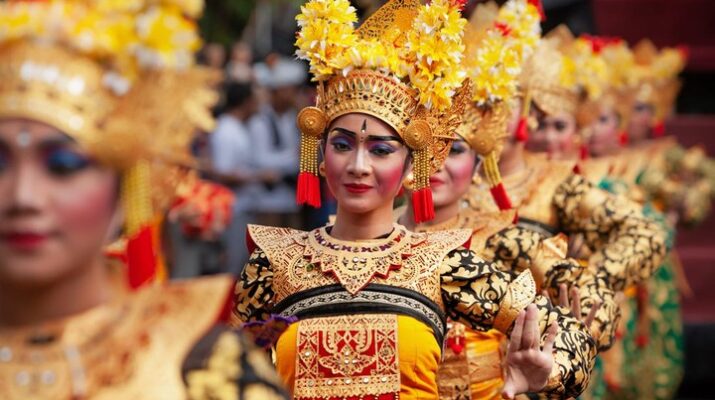
You’ll discover why Indonesia’s tribal customs attract global attention and how those traditions shape art, architecture, food, and law beyond the archipelago. Indonesia’s extraordinary mosaic of over a thousand ethnic groups preserves world-recognized practices—from ornate ritual ceremonies and iconic traditional houses to distinctive culinary techniques—that continue to influence global culture.
As you explore the article, expect clear examples of signature customs, internationally admired traditions, and how local laws and values sustain cultural identity. You’ll also see the real challenges these communities face today and why safeguarding their heritage matters for the future.
Understanding the Diversity of Indonesian Tribes
You will see how historical migrations, classification systems, and regional environments shape distinct tribal identities across Indonesia. Expect concrete examples of origins, major tribe groupings, and how geography influences population and culture.
Historical Roots of Ethnic Diversity
You can trace many Indonesian tribal identities to multiple migration waves: Austronesian seafarers from Taiwan (around 3000–1500 BCE) who spread maritime languages and rice agriculture, and earlier Papuan and Melanesian peoples who settled eastern islands and brought distinct languages and foraging traditions. Later contacts with Indian, Chinese, Arab, and European traders introduced Buddhism, Islam, Christianity, metalworking, and new commodities that mixed with local customs.
Local kingdoms and trade networks, such as Srivijaya and Majapahit, shaped cultural exchange and elite practices. Colonial administration and transmigration policies further redistributed populations, creating new multiethnic regions and influencing language shift. You can observe continuity where remote areas preserved older vernaculars and customs, while coastal and urban zones show greater cultural fusion.
Classification of Major Indigenous Tribes
You should use practical groupings to understand the hundreds of tribes:
- Western Indonesian (Sumatra, Java, Bali): Malayic and Javanese groups with agrarian and Hindu-Buddhist influences.
- Central Indonesian (Borneo, Sulawesi): Dayak, Buginese, Makassarese—riverine and maritime societies with distinct social structures.
- Eastern Indonesian (Maluku, Papua): Austronesian and Papuan-speaking peoples, many retaining subsistence hunting, fishing, and swidden agriculture.
Consider language family, subsistence strategy, and settlement pattern as classification keys. Language families (Austronesian vs. Papuan) often predict cultural traits like boat-building or stone-tool traditions. You can map specific tribes—Javanese, Sundanese, Batak, Minangkabau, Balinese, Dayak, Toraja, Bugis, Papuan groups—to these categories to see shared and divergent features.
Population Distribution and Regional Influences
You will find dense concentrations of population on Java, where agricultural productivity and historical state centers produced several major ethnic groups—Javanese and Sundanese dominate demographics and national culture. Sumatra hosts diverse groups (Minangkabau, Acehnese, Batak) shaped by highland-coastal divides and Islamic trading histories. Borneo’s Dayak communities cluster inland along rivers; their longhouse settlements reflect riverine ecology.
Eastern Indonesia shows lower population density but greater linguistic diversity, especially in Papua and the Maluku Islands. Coastal accessibility, colonial trade ports, and modern infrastructure determine where ethnic mixing occurs. You should note climate, terrain, and economic opportunity as primary drivers: mountainous karst preserves smaller, conservative communities; fertile plains support larger, state-integrated populations.
Signature Cultural Uniqueness in Indonesian Customs
You will find that Indonesian customs stand out through ritual depth, visual arts, and symbolic dress. Each element ties to local history, environment, and community roles, offering concrete practices and objects you can observe or study.
Traditional Ceremonies and Rituals
You encounter ceremonies that mark life stages, seasons, and social ties, each with precise actions and meanings. For example, Bali’s tooth-filing (metatah) ceremony transforms social status through ritual grooming and offerings, while the Toraja funeral (Rambu Solo’) spans days and involves buffalo sacrifices, carved tongkonan houses, and communal feasting.
Rituals also regulate resource use: Dayak Tiwah transfers ancestors’ spirits to the afterlife and reaffirms clan land rights. Processes matter—specific chants, instruments, and food items act as legal and spiritual signals.
When you attend, note roles: elders officiate, dancers enact myths, and community members contribute labor and gifts. These roles maintain social order and transmit knowledge across generations.
Distinctive Artistic Expressions
You will notice distinct art forms tied to function and belief rather than only aesthetics. Batik patterns from Java use symbolic motifs—kawung, parang, truntum—that denote status, occasion, and philosophy, produced through wax-resist dyeing with strict motif rules.
Papuan woodcarving and Asmat shields carry ancestral imagery; carvings serve both ritual and practical purposes. Music and performance also encode identity: gamelan ensembles in Central Java follow layered interlocking patterns that guide communal coordination, while Saman dance from Aceh emphasizes synchronized body percussion to tell historical or religious narratives.
Look for material choices and techniques: ikat weaving binds dye patterns to clan identities, and bronze casting (karawang) preserves ritual objects used in palace ceremonies.
Iconic Attire and Symbolism
You can read social information directly from traditional dress across regions. In Minangkabau ceremonies, women wear elaborate tengkuluk headpieces that signal marital status and matrilineal lineage.
Sumatran ulos textiles function as gifts, protective talismans, and markers of kinship; patterns and how you drape them indicate your role at weddings and funerals. In Toraja, colorful woven cloth and beadwork denote clan affiliation and rank during funeral rites.
Pay attention to recurring symbols: geometric motifs often represent cosmology, animal figures imply ancestral guardians, and color choices—red for bravery, black for ancestors, gold for nobility—convey explicit meanings you can verify with local practitioners.
World-Renowned Traditional Practices
You will find practices that have reached global recognition through UNESCO listings, international festivals, and sustained cultural exchange. These traditions include distinct wedding rituals and large-scale festivals that attract worldwide attention and tourism.
Wedding Customs Recognized Internationally
Indonesia’s wedding customs combine elaborate textiles, symbolic rites, and regional authority roles that often draw international interest. For example, Javanese court weddings emphasize the sungkeman (respectful homage to parents), intricate batik cloths, and staged processions that showcase royal-era etiquette.
You can see Minangkabau matrilineal features in West Sumatran weddings where family property and clan lineage shape marriage arrangements, producing ceremonies with unique legal and social patterns.
Several customs use specific handicrafts and music that global audiences recognize: songket weaving in Sumatra, elaborate headdresses in Bali, and gamelan ensembles accompanying many rites.
These material and performative elements make the ceremonies visually distinct and culturally informative for viewers, researchers, and tourists.
Cultural Festivals with Global Appeal
You can attend festivals that blend ritual, performance, and community identity, drawing international visitors and media. The Bali Arts Festival and Yogyakarta’s batik and gamelan showcases present months-long programs featuring dance, shadow puppetry, and craft exhibitions.
These events promote living traditions while creating economic opportunities for artisans and performers.
Other internationally noted events include Toraja funeral rites—well-documented for their scale and ritual complexity—and Papua’s cultural gatherings where body painting, song, and dance highlight indigenous knowledge.
Festival calendars often coincide with opportunities to buy authentic crafts, observe customary food rituals, and watch master artists perform, giving you direct access to practices that have crossed national boundaries.
Traditional Houses and Architecture Influencing the World
You will see how distinctive rooflines, spatial hierarchies, and material use from Indonesian traditional houses shaped global tropical design and sustainable building practices. The examples below show concrete design elements you can apply: raised floors, ventilated roof cavities, and bamboo joinery.
Influence of Rumah Gadang and Toraja Houses
Rumah Gadang (West Sumatra) and Tongkonan/Toraja houses (South Sulawesi) influenced architects through their dramatic, sweeping roofs and strong symbolic layouts.
You can trace their impact in luxury villas and cultural centers that adopt the curved, upswept gables for both identity and improved rain-shedding in heavy tropical storms.
These houses emphasize clear social zoning: ceremonial spaces at the front, family sleeping areas at the rear, and elevated communal platforms.
Designers borrow this spatial hierarchy to create public and private gradients in resorts and museums, improving circulation and ceremony-friendly gathering spaces.
Craft and ornamentation matter: carved facades, painted motifs, and exposed structural beams communicate lineage and ritual.
Contemporary projects often replicate these visible structural elements to give buildings cultural narrative while preserving functional performance in humid climates.
Eco-friendly Indigenous Construction Techniques
Indigenous Indonesian builders used locally available, renewable materials—bamboo, rattan, alang-alang thatch, and seasoned hardwoods—to achieve light, resilient structures.
You can adopt these materials to lower embodied carbon, speed construction, and improve seismic performance when designed with proper joinery.
Passive cooling strategies appear across vernacular types: high stilted floors for cross-ventilation, wide eaves for solar shading, and ventilated roof cavities to reduce heat gain.
These techniques translate directly into modern low-energy buildings in tropical zones, lowering reliance on mechanical cooling.
Joinery and modular assembly allowed for repairability and disassembly, extending building lifespans and enabling material reuse.
When you specify traditional bamboo or timber joinery, you gain flexible, low-waste construction that supports circular-material goals and local craft economies.
Culinary Heritage and Global Recognition
You will see how distinct tribal foodways preserve local identity and how a few signature dishes have reached international acclaim. The focus below highlights specific ingredients, cooking methods, and recognitions that matter to cultural preservation and global taste.
Unique Culinary Traditions Among Tribes
You encounter biting-and-chewy textures in Minangkabau cuisine, where slow-cooked beef rendang uses coconut milk and toasted spices to seal flavor and increase shelf life. In Papua, sago remains staple: you watch sago flour transformed into papeda by stirring hot water into a glue-like porridge, often paired with sour fish stews that balance fat and acidity.
Toraja ritual meals center on roasted pork and buffalo, served during elaborate ceremonies that mark social bonds; the meat preparation—marination, open-fire roasting, and communal sharing—signals status and reciprocity. Coastal Bugis and Makassar diets emphasize seafood, with preservation techniques like smoking and fermenting to extend catches for trading trips.
Dishes That Have Gained International Fame
You can point to rendang as the most visible export: chefs worldwide feature its complex spice blend and long-braised texture on menus, and scholars cite its preservation technique as culinary ingenuity. Elements of rendang have received formal recognition in lists and cultural programs, boosting demand for authentic spices like galangal, kaffir lime, and toasted coriander.
Other dishes have crossed borders too. Satay sold globally as skewered meat with peanut sauce, and tempeh has become a plant-protein staple in Western vegetarian cooking. Some foods gained attention through UNESCO and international food guides, which increased tourism and encouraged chefs to source traditional ingredients and techniques rather than shortcutting them.
Preserving Customary Law and Values
You will see how adat shapes daily life, dispute resolution, and village governance; and how communities balance tradition with national law, education, and development pressures.
Role of Adat in Modern Indonesian Society
Adat functions as a living normative system that governs marriage, land use, ritual obligations, and conflict resolution within specific ethnic communities. You will encounter adat rules applied in everyday interactions—inheritance patterns in Minangkabau areas, communal land rights in Bali, or marriage customs among Papuan groups—that remain legally and socially significant.
State courts sometimes defer to adat outcomes for local disputes, while national legislation recognizes indigenous rights in certain cases. You should note the practical tools communities use to keep adat relevant: customary courts, oral transmission of norms, and incorporation of adat teachings into local school activities and cultural festivals. These practices help maintain identity and social cohesion amid urbanization and globalization.
Local Governance Through Customary Law
Customary institutions—village councils, elder assemblies, and ritual leaders—manage land allocation, resource stewardship, and behavioral sanctions at the village level. You will find the Baduy and many other communities using adat-based village regulations to regulate daily conduct and natural resource use without recourse to formal state bureaucracy.
Harmonization efforts occur through legislation, local bylaws, and collaborative programs with government agencies. You can expect challenges: overlapping legal jurisdictions, differing documentation standards, and generational shifts in adherence. Practical responses include codifying key adat norms into village regulations, training customary leaders in administrative procedures, and using participatory mapping to secure communal land rights.
Impact of Indonesian Ethnic Heritage Worldwide
Indonesian ethnic traditions influence diplomacy, tourism, and the arts through concrete programs, exhibitions, and bilateral cultural agreements. You will see this heritage used strategically to build relationships, promote industries, and shape international perceptions.
Diplomatic and Cultural Soft Power
You encounter Indonesian soft power when embassies host gamelan performances, batik workshops, or wayang kulit screenings to support trade and people-to-people ties. These events often accompany trade missions and tourism promotion, reinforcing national branding tied to specific regions—Yogyakarta’s batik, Bali’s dance, and West Sumatra’s Minangkabau architecture.
Cultural diplomacy also operates through education and exchange: scholarship programs, university partnerships, and artist residencies bring Indonesian scholars and creators abroad. Governments use UNESCO nominations for tangible leverage; recognized intangible heritage (like angklung) increases negotiating capital in cultural agreements.
International Showcases and Collaborations
You can trace Indonesian culture in museum exhibitions, festival circuits, and fashion runways across Asia, Europe, and the Americas. Major museums curate Indonesian textile and ritual collections; festivals commission collaborative performances combining Indonesian ensembles with foreign orchestras or contemporary choreographers.
Collaborations extend to creative industries: batik designers partner with global brands, and filmmakers co-produce works that incorporate local languages and stories. These projects generate income for artisans and create export pathways for cultural products, while ensuring provenance and intellectual-rights discussions shape fair benefit-sharing.
Contemporary Challenges and the Future of Customary Cultures
You will find pressure from rapid modernization and digital change, and you will also see active efforts that communities and institutions use to preserve and adapt customary practices.
Modernization and Cultural Adaptation
Modern infrastructure projects, urban migration, and national education systems shift younger generations away from village-based ritual life. You may notice elders struggling to pass oral histories when youth spend more time in cities, on social media, or pursuing formal careers.
Economic incentives also change cultural priorities: land converted for plantations or tourism alters communal resource management and weakens customary land rights.
Yet adaptation occurs: families blend traditional rites with modern schedules, and some communities reframe ceremonies into cultural tourism offerings to fund local needs. You should pay attention to how these compromises affect authenticity, governance of communal resources, and the transmission of language and ritual knowledge.
Efforts for Preservation and Revitalization
You can support targeted actions that sustain customary systems: community-led language classes, documentation projects, and legal recognition of customary land and governance.
Local governments and NGOs increasingly fund cultural festivals, school curricula that teach local histories, and training for youth in traditional crafts and performing arts.
Digital tools help too—community archives, recorded interviews, and social-media campaigns raise awareness and reach diaspora members.
When promoting tourism, insist on community control over narratives and revenue-sharing mechanisms so cultural stewardship remains in local hands.