
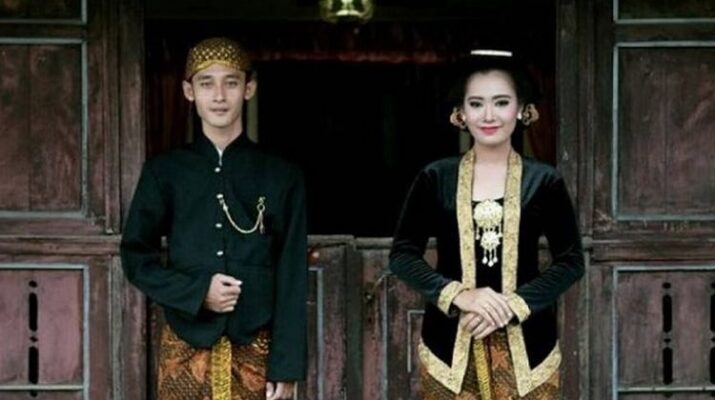
You will find that Indonesia’s adat traditions shape daily life, ritual meaning, and local identity across thousands of islands. These living customs—expressed in language, dress, ceremonies, and local laws—form a rich cultural network that you can trace from ceremonial houses in Sumatra to harvest festivals in Sulawesi and marriage rites in Papua.
As you explore the article, expect clear explanations of how adat operates within different ethnic groups, vivid examples of prominent practices, and the symbolism behind rituals. You will also learn how ceremonies keep heritage alive, how communities and institutions work to preserve these customs, and how adat continues to influence contemporary Indonesian society.
Understanding Traditional Customs in Indonesian Ethnic Groups
You will encounter a wide range of practices tied to life stages, land use, and ritual obligations. These practices shape daily behavior, legal expectations, and communal identity across islands and ethnicities.
Defining Ragam Adat Suku
Ragam Adat Suku refers to the specific customary rules, ceremonies, and material culture of an ethnic group. You should view it as a living system that includes rites of passage (birth, marriage, death), laws governing land and inheritance, and rules for communal decision-making.
Many adat elements are oral and context-dependent. For example, Minangkabau matrilineal inheritance contrasts with Javanese patrilineal kinship; both use customary law to manage property and marriage. Pay attention to prescribed garments, language use in ritual, and designated ritual specialists—these signal adherence to a group’s adat.
The Importance of Cultural Heritage in Indonesia
Cultural heritage anchors community identity and transmits knowledge across generations. You rely on this heritage to understand social roles, agricultural calendars, and local dispute resolution methods that modern statutes may not replace.
Heritage also supports tangible assets: architecture, heirloom textiles like songket, and sacred sites. When you engage with local communities, recognizing heritage protocols—permission for photographs, offerings, or dress codes—shows respect and preserves fragile practices.
Role of Customary Traditions in Society
Customary traditions regulate social order and mediate conflict through community-based processes. You will find adat councils or elders resolving land disputes or arranging marriages in ways that prioritize communal harmony over individual litigation.
Traditions also structure resource management: rotational fishing, communal rice terraces, and forest taboos sustain ecosystems. When development projects affect your area of interest, customary tenure and ritual calendars often determine access and timing, so you should consult adat authorities early.
Prominent Examples of Traditional Customs Across Indonesia
You will find distinct social structures, life-cycle rituals, and ceremonial arts that shape community identity and daily practice in different regions. Each example below highlights specific customs you can observe or study to understand how tradition governs social roles, land rights, and spiritual life.
Adat Istiadat Minangkabau
The Minangkabau practice matrilineal inheritance, so property, family name, and rumah gadang (traditional clan houses) pass through the female line. You will see large wooden rumah gadang with curved roofs used for communal decision-making and ceremonial gatherings.
Marriage customs emphasize the wife’s clan: husbands often live in the wife’s household, and adat ceremonies formalize clan alliances. Ceremonial events such as pengukuhan penghulu (chief installation) combine Islamic ritual with adat law, so legal and religious norms coexist in daily governance.
You should note conflict resolution happens through adat councils that apply customary rules (adat) to land disputes and social sanctions. Festivals feature traditional Minang music (talempong, saluang) and dance, reinforcing clan identity and educating younger generations about obligations and inheritance.
Traditional Practices of the Toraja People
Toraja social life centers on elaborate funerary rites that may last days to years, depending on family resources and social rank. You will encounter tau-tau effigies displayed in cliff-side graves, and stone or wooden tongkonan houses that symbolize lineage and status.
Funeral ceremonies (adat rambu solo) involve water buffalo and pig sacrifices, ritual speeches, and massive communal labor; these acts repay ancestors and secure social standing for descendants. Rice cultivation rituals and harvest offerings (ma’ramy) tie agricultural cycles to ancestral reciprocity.
Toraja also practice distinctive burial architecture: cliff graves, cave interments, and burial inside tongkonan for high-status individuals. You can observe how economic capacity influences the scale of rites and how these rituals sustain kinship networks and local tourism.
Balinese Cultural Ceremonies
Balinese life is structured around temple rituals (odalan), lifecycle ceremonies, and the Hindu-Balinese calendar (pawukon and saka). You will see daily offerings (canang sari) at household shrines, which maintain cosmic balance between humans and deities.
Major public ceremonies—such as Galungan, Kuningan, and Nyepi—feature processions, wayang performances, and ritual purification. Nyepi’s Day of Silence enforces island-wide cessation of work, travel, and entertainment to renew spiritual harmony.
Temple architecture, gamelan music, and caste-influenced roles shape who performs rituals and how. You can observe precise dress codes, offerings made from young coconut leaves and flowers, and cooperative preparation of feast offerings that bind banjar (village community) members together.
Symbolism and Meaning Behind Adat Practices
Adat practices encode community values and social roles through rituals, objects, and prescribed behaviors. You will find philosophical foundations that guide legal and moral life, alongside concrete ritual symbols that shape daily and ceremonial interactions.
Philosophical Values of Customary Law
Customary law (adat) often prioritizes communal harmony and reciprocal responsibility over individual rights. You will see rules about land use, marriage, and dispute resolution that aim to restore balance rather than punish.
These norms connect to concepts like maslahat (common good), kinship obligation, and stewardship of natural resources.
When you encounter adat courts or elders mediating conflicts, they apply principles such as proportional compensation, collective responsibility, and reconciliation rituals.
Those principles preserve social cohesion and transmit moral education across generations through practical decisions and storytelling.
Key features to note:
- Emphasis on consensus and restoring relationships.
- Obligations tied to lineage, land, and ritual roles.
- Flexible rules adapted to local ecology and economy.
Symbolic Rituals in Community Life
Rituals use tangible symbols—offerings, costume, dance, and spatial arrangements—to make abstract values visible. You will recognize offerings to ancestors or nature as expressions of gratitude and reciprocal duty.
Costumes and body paint often mark social status, age-grade, or ritual role, signaling who may speak or act during ceremonies.
Specific rituals carry layered meanings: rice planting rites express hopes for fertility and communal labor; funeral ceremonies encode beliefs about afterlife and lineage continuity.
Symbols also regulate behavior—processional routes, seating order, and ceremonial prohibitions instruct participants on respect, hierarchy, and permitted interactions.
Common symbolic elements:
- Food and natural objects as gifts establishing reciprocity.
- Sacred objects and ancestral emblems that legitimize authority.
- Performative acts (chants, dances) that renew social bonds and memory.
Ceremonies and Festivals as Living Heritage
You will encounter rituals that mark life stages and communal cycles, each with defined roles, symbolic objects, and repeatable sequences. These events transmit values, bind families and villages, and keep local knowledge — from weaving techniques to crop calendars — alive.
Marriage and Family Traditions
You will see marriages that combine legal, religious, and customary steps. In many regions, ceremonies include a formal proposal, bride price or negotiation, a ritualized blessing, and a communal feast. Each stage uses specific items — such as songket cloth in Minangkabau weddings, betel offerings in Javanese rites, or the adat panggih ceremony in Bali — that carry lineage and social meaning.
Expect roles that define obligations: elders officiate and bless, kin deliver gifts, and youth perform dances or music. These practices regulate inheritance, kinship ties, and local status. You will often find marriage rites tied to wider family cycles: naming ceremonies, postpartum care, and reciprocal visits that sustain interhousehold networks.
Harvest Festivals and Celebrations
Harvest rituals tie food security to communal identity and ecological timing. You will find rice-planting and harvest festivals such as Seren Taun in Sundanese areas or the Garebeng ceremonies in eastern islands, featuring offerings, ritual cleansing, and thanksgiving performances. These events mark critical agricultural stages and reinforce local calendars.
Communal tasks and shared feasts follow rituals: collective threshing, ritual dances, and offerings to ancestral spirits or rice deities. You will notice practical outcomes, too — seed selection, knowledge transfer about planting methods, and agreements on land use. The festivals thus preserve both spiritual meanings and essential farming knowledge across generations.
Preservation and Promotion of Indigenous Customs
You will find concrete actions by communities, formal policies from government bodies, and the main obstacles that threaten cultural continuity. These items affect how customs get passed to younger generations and how communities control their own heritage.
Efforts by Local Communities
Local communities document rites, songs, and craftsmanship through community-led archives and oral-history recordings. You can often see village elders teaching dance steps, weaving patterns, and ritual protocols directly to youth during seasonal festivals.
Communities establish apprenticeships and cooperatives to keep skills economically viable. For example, artisans in eastern Indonesia form cooperatives to market traditional textiles, while coastal villages organize fishery-related rituals as part of tourism programs.
You should note community-driven language classes and school partnerships that insert local history into curricula. These initiatives strengthen identity and give young people clear, hands-on pathways to practice their customs.
Government Support and Policy
National and regional governments allocate funds for cultural centers, museums, and intangible-heritage inventories you can visit or consult. Ministries publish guidelines for safeguarding traditions and fund research projects that document languages, ceremonies, and material culture.
You will find legal protections for certain heritage elements, such as designation of traditional performances or crafts as cultural assets at provincial level. Policy tools include grants for community projects, tax incentives for cultural enterprises, and integration of local content into public education.
Coordination challenges remain between ministries and local authorities, so some programs prioritize high-profile traditions over smaller community practices. Still, formal recognition often unlocks funding and technical support that communities can use to manage and promote their customs.
Challenges in Cultural Sustainability
You face rapid urbanization and youth migration that break transmission chains for many regional customs. When younger generations move to cities for work or study, they often lose daily exposure to ritual practices and local languages.
Commercialization and tourism can distort traditions if market demands change performance style or timing. You may see ceremonies shortened or altered to suit visitors, which risks turning living customs into staged exhibitions.
Limited funding, inconsistent policy implementation, and climate impacts on cultural landscapes also threaten continuity. You should consider community-led governance, stable funding mechanisms, and education programs as priorities to keep customs resilient and community-controlled.
The Influence of Adat on Modern Society
Adat shapes how people live, celebrate, and resolve conflicts across Indonesia. It influences dress, ceremonies, land use, and local governance in concrete, everyday ways.
Integration with Contemporary Life
You will see adat woven into urban and rural routines alike. In cities, designers adapt traditional motifs—ikat, songket, and batik—into office wear and street fashion, creating marketable cultural products while preserving symbol meanings tied to specific communities.
Local governments and companies often incorporate adat protocols into public events and corporate social responsibility programs. That can mean inviting community elders to open infrastructure projects or conducting ceremonies before land development to respect customary land rights.
Adat-based conflict resolution still functions where state courts lag. Village adat councils mediate disputes over inheritance, grazing rights, and river access, offering quicker, culturally understood remedies. You should note this coexistence sometimes causes legal friction, especially over land titles and natural resource use.
Education and Intergenerational Transmission
You can find adat transmitted through formal and informal channels. Schools in several provinces include local culture in the curriculum—language classes, ritual practice, and traditional crafts—so children learn specific songs, weaving patterns, and customary rules tied to their ancestry.
Families play a crucial role: grandparents teach oral histories, ritual procedures, and ecological knowledge like seasonal planting tied to adat calendars. Youth organizations and cultural centers also run workshops that combine digital media with hands-on skills to make tradition relevant.
Modern pressures—migration, social media, and standardized schooling—challenge transmission. To counter that, many communities document rites, register intangible heritage, and create apprenticeship systems that assign clear responsibilities to younger members, ensuring continuity without fossilizing practice.
Conclusion
You see how Indonesia’s many ethnic traditions form a living archive of human creativity and belonging. Each custom, language, and ritual offers practical knowledge and community meaning passed across generations.
Protecting these traditions requires active choices: supporting local practitioners, learning regional languages, and including customary knowledge in education and policy. You can help by visiting responsibly, buying authentic crafts, or advocating for heritage programs.
Respect and accurate representation matter when sharing cultural expressions. You should avoid stereotyping and seek sources from the communities themselves to ensure integrity and consent.
Below are simple actions you can take:
- Learn one local tradition or phrase each month.
- Support community-led cultural centers or artisans.
- Promote policies that safeguard intangible cultural heritage.
You hold a role in keeping these customs vital. Engaging thoughtfully helps maintain cultural diversity as a resource for identity, resilience, and intergenerational learning.